Apple Watch: 7 Years Later
Time flies. The Apple Watch Series 8 is already out. When the first-gen Apple Watch launched in 2015, I wrote a review:
Apple Watch Three-Day Experience
Apple Watch Three-Day Experience
7 years gone in a flash. I remember fighting to get a first-gen unit on launch day — went to the Lujiazui Apple Store, connected to Apple’s network for better speed, barely managed to secure one. In New Zealand, there’s no such drama. Walk to the Apple website, buy it — no crashes, no payment failures, no instant sell-outs. Plus, New Zealand’s time zone means we’re among the first to receive new products. Like this news that pops up every Apple release:
First iPhone X Orders Start Arriving to Customers in New Zealand
Anyway, onto the review.
I bought the Apple Watch SE 2 (44mm), not the Ultra or Series 8. It’s a few hundred dollars cheaper, missing only ECG, temperature, and blood oxygen. The basic health features are still there. As a colleague said: “ECG readings you can’t interpret anyway. Body temp is always around 36°C — if you have a fever, you’ll know without the watch. Blood oxygen is always 98-99 — at 95 you’re nearly dead.” So the extra features aren’t worth much. Saving a few hundred dollars feeds the family for a week. No shame in that.
Appearance
Pictured below. 7 years on, Apple Watch bands are still backward compatible. Impressive. The casing now comes in different colors besides silver, though the luxury gold edition is gone. My first-gen had a blue sports loop — loved that color. No idea why Apple discontinued blue bands, leaving pink, black, and rainbow — none my style. So I reluctantly spent an extra $100 on a Milanese loop (available since the first generation). Black band with black case — a nice dark theme. The Milanese loop attaches with magnets but holds firmly, comfortable and not heavy. No real flaws. 7 years later, despite Apple’s fancy new bands like the braided solo loop, the Milanese still looks great. One downside: hair pulling. Keep it away from any hair.
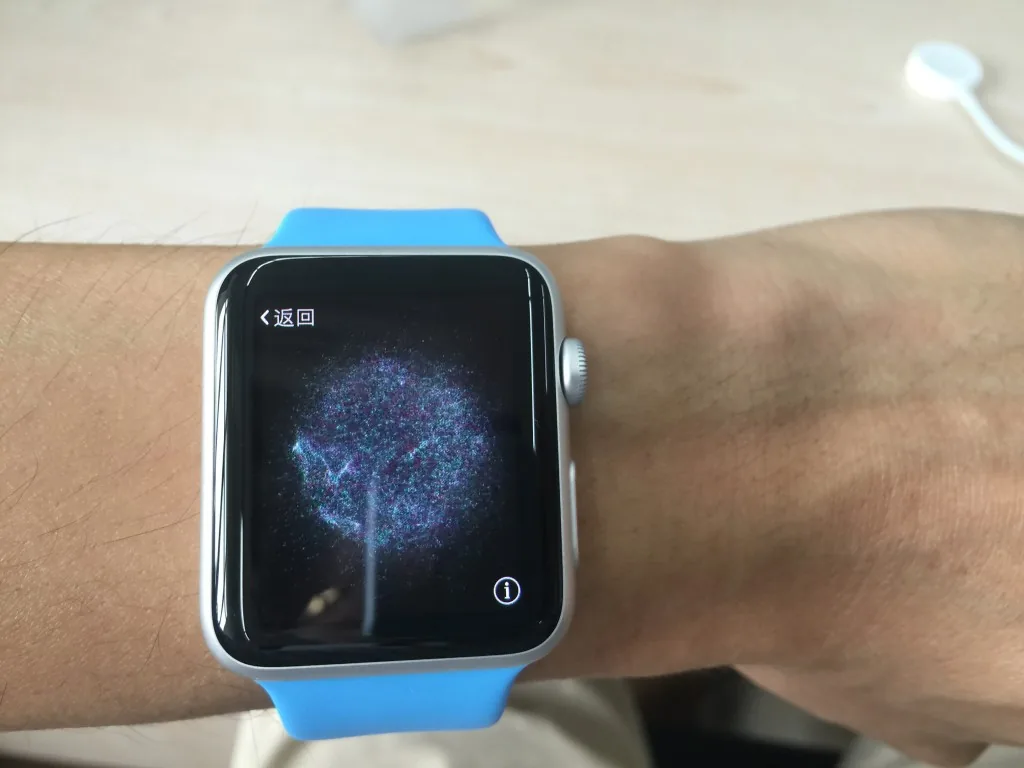
Figure 1: 2015 Apple Watch first generation
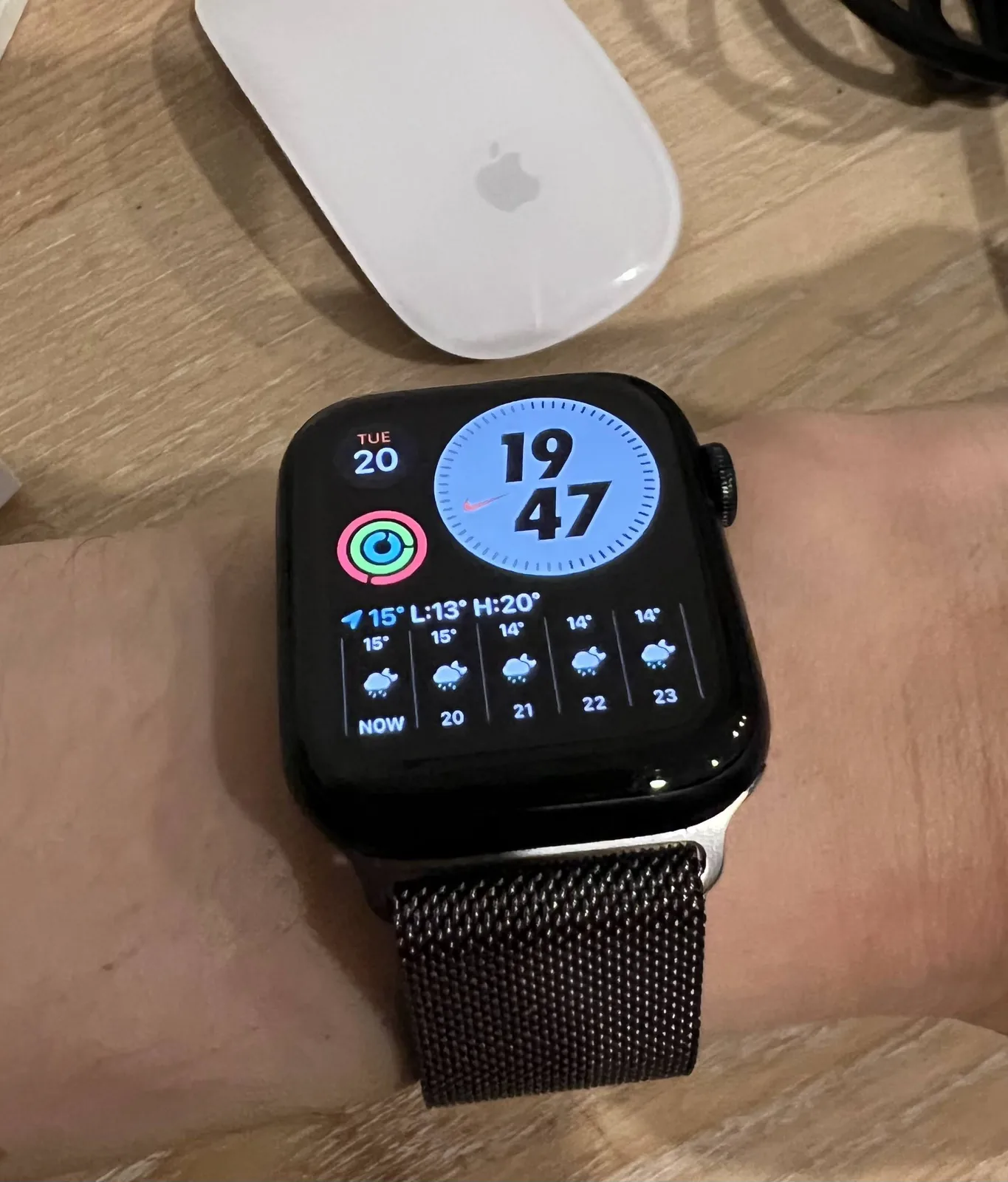
Figure 2: 2022 Apple Watch SE 2
Fitness
Apple Watch’s fitness features have improved dramatically. The first-gen didn’t even have GPS — it relied on the phone’s GPS. Now it has standalone GPS, so you can run without your phone. Built-in workout types have multiplied: indoor/outdoor running, walking, cycling, swimming, hiking, tai chi, yoga, rowing — and auto-detection. You don’t need to start it manually; it detects your activity and prompts you to record it.
Battery Life
Battery life is about the same — Apple claims 18 hours. Realistically, it lasts 2 days between charges. Sleep tracking is now supported, which the first-gen lacked. This creates a new habit: I used to charge the watch overnight. Now I need to wear it to bed for sleep tracking. Apple designed fast charging for this — charge during your morning shower/brush routine (water resistant doesn’t mean I’ll risk swimming or showering with it). After your morning routine, it’s good for the day.
Intelligence
Compared to 7 years ago, some smart features have been added. Noise alerts — in loud environments like data centers, it warns you. Fall detection and crash detection — automatically calls emergency services after an accident. Useful, but as Apple said at the keynote, they hope nobody ever needs it. I’ve seen YouTube videos where people actually tested crash detection — apparently it works. Brave souls.
The most noticeable change: Siri can finally speak. The first-gen Siri only communicated via text. No voice. Though my main use for Siri is still asking the time…
Misc
Over the years, Apple has found the Watch’s identity: health and fitness. The first-gen had many features and a luxury gold edition. But electronics don’t hold value — who’d buy a gold watch that’s obsolete in 3-5 years? The new Apple Watch Ultra focuses on enhanced sports features, not luxury.
Integration is another strength. Apple’s ecosystem integrates seamlessly with macOS, iOS, iPadOS, and AirPods. Focus modes: set sleep or Do Not Disturb on one device, and it applies to all. Android struggles to replicate this — phone makers don’t control laptops or tablets. Google tries, but it can’t control both phone and computer manufacturers. Maybe this is the advantage of a closed ecosystem.